
RF ONLINE NEXT
NetmarbleRole Playing
3.9510.00 Reviews
- Version
- 1.29.8
- Installs
- 1.00M
- Age Rating
- Mature 17+
Screenshots
Our Review of RF ONLINE NEXT
 Analysis by Appyee
I approached RF ONLINE NEXT as a long-session role-playing game rather than something to open for five spare minutes. Its science-fiction setting, mature audience rating, and massively multiplayer format point toward a more committed experience, and that is exactly how it feels to me: a game built around returning to a persistent world, improving a character, and deciding how much time and money I want to invest. Netmarble is the developer, and the current release is version 1.29.8, so this is not a first-look review based only on a launch promise. It is a look at the game as it stands now.
The most important thing to understand is that the title’s appeal depends less on a single spectacular feature and more on whether you enjoy the rhythm of a long-running online RPG. If you like science-fiction worlds, character progression, and the feeling that your actions belong to a larger shared environment, there is a good reason to try it. If you want a compact story game with a clean ending, or a competitive experience that feels fully fair without spending, I would be more cautious.
How the current version feels to play
The first hours are best treated as orientation rather than a final judgment. In an MMORPG, early progress often gives you a guided route through the world, but the real question is whether that route prepares you to make decisions later. I found myself paying attention not only to combat, but also to how much the game encouraged me to understand my character, equipment, and place in the wider world. That matters because a persistent RPG can become tiring when it turns into a sequence of instructions with no meaningful choices.
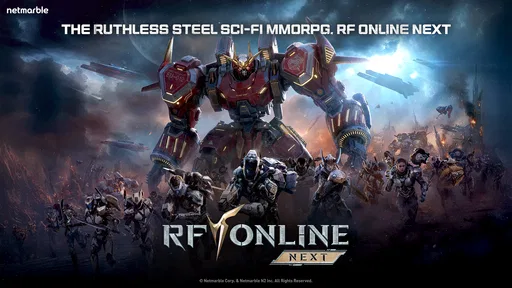
RF ONLINE NEXT presents itself as a ruthless science-fiction MMORPG, and the mature 17+ rating is relevant to the overall tone. I would not recommend handing it to a younger player simply because it is available on a phone or tablet. The rating also helps set expectations for the atmosphere: this is not designed as a gentle fantasy adventure. Anyone sharing a device should check the age suitability before installing it.
On mobile, I prefer playing with enough time to settle into a session. A short commute can be useful for checking progress or completing a small objective, but the game makes more sense when I can concentrate on what is happening. That is one of the first practical trade-offs: the convenience of a mobile MMORPG is attractive, yet the online role-playing format asks for more attention than a typical casual game.
The current version gives existing players a reason to keep checking in, but version numbering alone should not be mistaken for a guarantee that every part of the experience has changed dramatically. What I can reasonably take from the present release is that the game is being maintained as an active product rather than left as a one-time download. For a multiplayer RPG, that ongoing state is important, because a game can be technically available while feeling abandoned. Here, the current build at least signals continued development.
What the progression loop asks from you
The central loop is familiar to anyone who has spent time with online role-playing games: enter the world, fight, improve your character, and return for another round of advancement. The less obvious part is deciding how deliberately to play. I get more from the experience when I pause to consider why I am upgrading something instead of automatically accepting every improvement. Rushing through menus can make progress feel busy without making it feel personal.
My practical advice is to establish a simple routine early. I would first learn which activities move the character forward most efficiently, then separate those from optional tasks that are enjoyable but less urgent. This prevents the common MMORPG problem of spending a long session clicking through rewards without knowing what actually helped. It also makes the game easier to evaluate: after a few focused sessions, you can tell whether the progression itself is satisfying or whether you are only chasing the next notification.
Another useful habit is to avoid spending immediately. The game is free to download, but its in-app purchases range from $0.99 to $79.99 per item. That broad range means a new player should understand the normal progression before deciding whether a purchase solves a real problem or merely shortens a wait. I would play long enough to identify the point where the game starts asking for extra convenience or acceleration, then make a decision based on my own tolerance rather than on impulse.
This is especially important for players who enjoy optimization. Spending can be tempting when a small improvement appears to unlock smoother progress, but the value of that purchase depends on how long you intend to stay. Someone testing the game for a weekend should treat optional purchases very differently from someone planning to build a long-term character. I would also set a personal budget before playing, because the largest listed item is not a casual purchase.
How the game fits into everyday play
A realistic use case is an evening when I have about half an hour after work but do not want to start a large console game. I can open the app, review what my character needs, complete a focused activity, and stop after making a clear bit of progress. That works best when I decide on one goal before starting. Without that limit, an MMORPG can easily turn a short break into an unplanned, much longer session.
For a more committed weekend session, I would prepare differently. I would make sure the device has enough battery, use a stable connection, and avoid playing while distracted by other tasks. Online games are less forgiving when attention is divided, especially if a mistake affects progress or a group activity. The mobile format makes access easy, but it does not remove the practical demands of a connected multiplayer game.
I also think the game is better suited to players who enjoy gradual improvement than to players who need constant novelty. The satisfaction comes from seeing a character become more capable over time, not from finishing a complete experience in one sitting. If that sounds rewarding, the persistent structure can keep the game interesting. If repetition quickly becomes a chore for you, the same structure may feel like work.
What the present release means for returning players
For someone who played an earlier build, the current version number is useful context: the product has moved forward through multiple updates. Still, I would return with realistic expectations. A later version can improve stability, balance, presentation, or progression without changing the game’s basic identity. If the original MMORPG loop was not enjoyable, a newer build may not transform it into a different genre.
Existing players should judge the update through practical questions. Does the current build make daily progress clearer? Does it reduce friction in the parts of the game you use most? Does it give you a better reason to return, rather than simply adding another layer of tasks? Those are more meaningful tests than the version number itself. I would also give the game a few sessions after returning, because online RPGs can feel unfamiliar when systems, rewards, or priorities have shifted.
New players have a different advantage: they can learn the current version without carrying old habits. I would resist copying an old guide blindly, especially when the game has continued to evolve. Instead, I would observe what the current interface emphasizes, learn the basic progression path, and only then look for more specialized advice. This approach reduces the chance of building around assumptions that no longer match the present experience.
The audience size also gives some useful context. The game has passed one million installs and holds a 3.9 average from around forty-six thousand ratings. I read that as evidence of a substantial player base with a mixed but broadly active response, not as proof that it will suit everyone. A rating in that range suggests a game worth investigating carefully: popular enough to have found an audience, yet not so universally polished that I would recommend it without reservations.
Where the experience can become frustrating
The biggest potential weakness is the long-term pressure built into the format. A persistent MMORPG naturally encourages regular returns, and that can be enjoyable until the routine starts controlling the player rather than serving them. I would be wary if the game begins to feel like a list of obligations. The best way to manage that is to decide what “enough” progress means for each session and stop when you reach it.
The free-to-play structure is another area that deserves attention. The presence of purchases from less than a dollar to a high two-digit amount does not automatically make the game unfair, but it does mean the economic layer is part of the decision. Players who dislike seeing paid acceleration, optional bundles, or costly temptations inside an RPG may find the experience uncomfortable even if they never buy anything.
I would also skip it if you are looking for a self-contained narrative adventure. The game’s identity is tied to its online world and ongoing progression, so it is not the best replacement for a story-driven role-playing game that you can complete at your own pace. Likewise, someone who wants a lightweight offline title should look elsewhere. The appeal here comes from being part of a continuing multiplayer environment, and that is also its main commitment.
Mobile performance and comfort should be considered before a serious investment of time. Long sessions can be less comfortable on a small screen, and online play is naturally more sensitive to connection quality than an offline game. I would test it on the device and network I actually plan to use, rather than assuming that a short first launch tells me everything. That trial is particularly important before making any purchase.
How it compares with familiar alternatives
Compared with a single-player mobile RPG, RF ONLINE NEXT offers a more persistent setting but less control over the pace. In a solo game, I can pause, ignore a system, or finish the story without worrying about an evolving online environment. Here, the trade-off is the sense of a shared world and longer-term character development. I would choose the solo alternative when I want a focused narrative, and this game when I want an ongoing hobby.
Compared with a competitive online game built around short matches, this title asks for a different kind of commitment. A match-based game gives me a clear beginning and end, while an MMORPG spreads its rewards across many sessions. That makes the progression more gradual and potentially more personal, but it also makes it harder to feel finished. Players who enjoy measurable rounds may find the persistent structure slow; players who like building toward a distant goal may prefer it.
It also differs from a purely cosmetic social game. The science-fiction role-playing setting and mature presentation suggest that the character journey matters more than simply decorating an avatar or chatting in a virtual space. I would recommend it to someone who wants social context around progression, not to someone whose main interest is casual customization.
The right comparison is therefore not “which game has more content?” It is “which time pattern fits me?” RF ONLINE NEXT makes sense if I want a continuing mobile RPG that I can revisit. A different option is better if I want a complete campaign, offline access, short competitive sessions, or a spending model that feels simpler.
Small decisions that improve the first week
My first recommendation is to keep the opening week exploratory. Do not assume that the first attractive upgrade is automatically the best long-term choice. Learn what each improvement changes, notice which activities you actually enjoy, and keep enough flexibility to adjust. This is a more reliable way to find a comfortable play style than following every reward prompt without reflection.
Second, separate convenience from power in your own mind. A purchase that saves time may be useful for one player and pointless for another. Before buying, ask whether it improves the part of the game I enjoy or merely removes a delay. That question is particularly valuable in a free-to-play MMORPG, where the fastest route is not always the most satisfying one.
Third, protect the game from taking over the rest of the day. I would set a session goal, silence unrelated notifications, and stop after completing it. This sounds simple, but it changes the experience from endless maintenance into a deliberate hobby. It also makes it easier to judge whether the game is fun when I choose to play, rather than merely familiar because I keep returning automatically.
Finally, pay attention to how the current version treats returning players. A good ongoing game should make it reasonably clear what has changed and what deserves attention first. If I come back after time away, I would avoid trying to master every new system immediately. I would rebuild my basic routine, then explore one unfamiliar area at a time. That prevents the accumulated depth of an MMORPG from becoming an instant wall.
Who should install it now
I think the strongest audience is made up of players who already understand the appeal of a long-term online RPG and want that experience in a science-fiction setting. The game is also worth trying for mobile players who enjoy character growth, can accept a continuing commitment, and are comfortable making careful choices around optional purchases. Its free entry makes experimentation straightforward, provided the mature rating and spending range fit your household and budget.
I would hesitate to recommend it to children, casual players who want a completely relaxed experience, or anyone who dislikes persistent progression. I would also steer away players who become frustrated when a game asks them to repeat activities, manage several layers of improvement, or return regularly. The title’s strengths are closely tied to the same structure that creates those frustrations.
My overall view is cautiously positive. The current release of RF ONLINE NEXT gives the game a credible ongoing life, and its substantial install base shows that it has reached many mobile players. At the same time, the 3.9 average tells me to approach it as a specific taste rather than a universal recommendation. I enjoy the idea of building a character inside a continuing science-fiction world, but I would keep my expectations grounded and my spending controlled.
What I would watch before committing long term
I would watch how clearly future changes communicate their impact on existing characters and routines. In an MMORPG, even a helpful adjustment can feel disruptive if players do not understand what it changes. I would also look for signs that the current version continues to reduce unnecessary friction rather than simply adding more tasks. Those improvements matter more to me than a larger list of systems.
I would pay close attention to the balance between free progression and paid convenience. A free game can be generous and still offer purchases, but the day-to-day experience should remain comfortable for someone who chooses not to spend. That is the line I would evaluate over time, especially because the available items span from inexpensive choices to a much larger purchase.
In the end, I would install it as a trial, not as a promise to become a permanent player. Give the opening progression enough time to show its character, test it on your normal device, and decide whether the routine feels rewarding before investing money. The best reason to stay is steady enjoyment of the world and progression, not fear of falling behind. For the right player, this can become a substantial mobile role-playing hobby; for everyone else, a more contained RPG will probably be the better use of time.
Verdict
Strengths of RF ONLINE NEXT
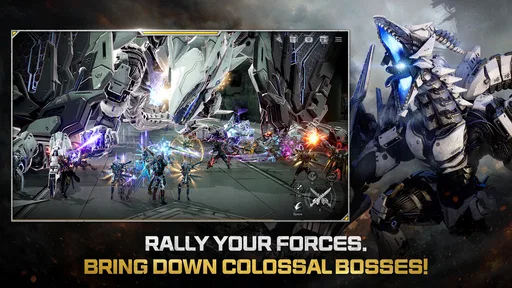
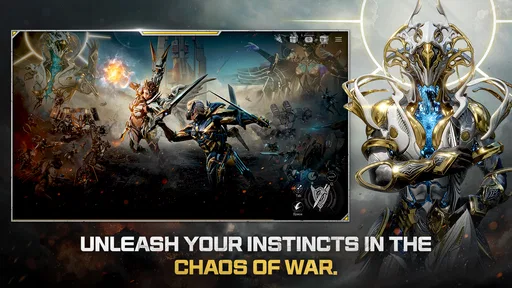
- Large-scale PvP battles make the world feel active and competitive.
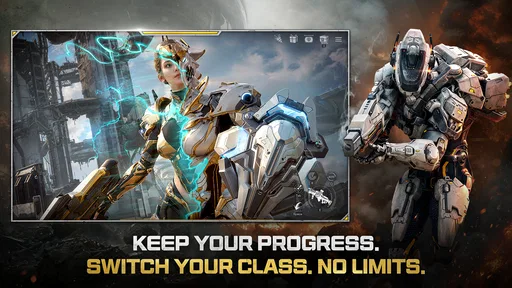
- Multiple classes and progression paths support different playstyles.
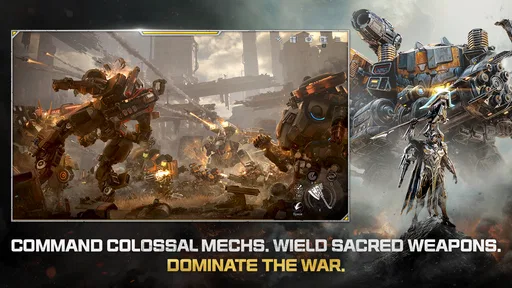
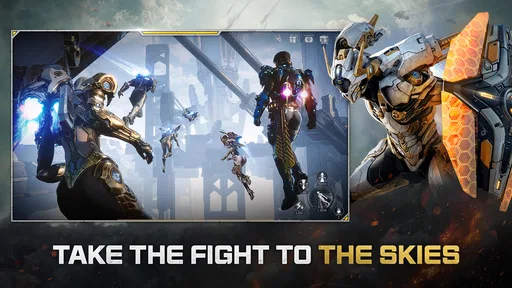
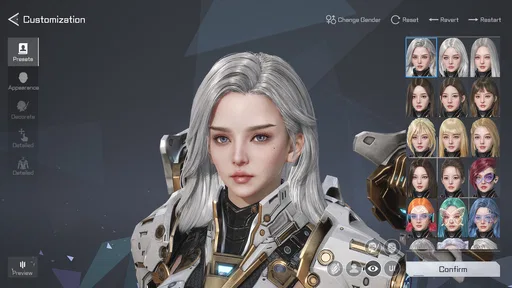
- Detailed sci-fi environments and character designs look impressive.
- Guild features encourage teamwork, alliances, and organized activities.
- Regular events provide extra goals beyond the main storyline.
Limitations of RF ONLINE NEXT
- Auto-combat can make some quests feel passive and repetitive.
- The game requires substantial storage space and powerful mobile hardware.
- PvP balance may favor players who invest more in upgrades.
- Long loading times can occur on older devices or slower connections.
- The interface can feel crowded because of numerous menus and systems.
Other Releases by Netmarble
View All
MARVEL Future Fight
Role Playing4.2

The Seven Deadly Sins
Role Playing4.2

Solo Leveling:Arise
Action3.8

Seven Knights Re:BIRTH
Role Playing4.5
Similar Picks in This Category
View All
Hair Dye
CrazyLabs LTD4.4

Monster High™ Beauty Salon
CrazyLabs LTD4.5

Bus Simulator - Bus Games 3D
Jima Apps4.4

Flight Pilot: 3D Simulator
Wildlife Studios4.1


Super Stylist Fashion Makeover
CrazyLabs LTD4.4
Frequently Asked Questions
What is RF ONLINE NEXT?
RF ONLINE NEXT is a mobile MMORPG set in a science-fiction world shaped by conflict between powerful factions. The game combines real-time combat, character progression, quests, equipment upgrades, large-scale battles, and online social features. Players can develop a hero, join other users, explore the game world, and participate in competitive or cooperative activities as they advance.
Can I play RF ONLINE NEXT offline?
No. RF ONLINE NEXT is designed as an online multiplayer game and requires a stable internet connection to access its servers, character data, events, and social systems. A reliable Wi-Fi or mobile-data connection is recommended, especially during crowded battles. Connection quality can affect loading times, combat responsiveness, and the overall experience during large-scale content.
Is RF ONLINE NEXT free to download and play?
RF ONLINE NEXT can generally be downloaded and started without paying an upfront purchase price, but it may include optional in-app purchases. These can be used for items, progression-related benefits, cosmetics, or other account features, depending on the version and region. Players should review the store listing and spending controls before making purchases.
What kind of device is required to run RF ONLINE NEXT?
Because RF ONLINE NEXT is a visually demanding online MMORPG, performance depends heavily on your device’s processor, graphics capability, available memory, storage space, and operating-system version. Older or entry-level phones may experience reduced frame rates, longer loading times, or overheating. Before installing, check the official Google Play or App Store requirements and keep sufficient free storage available.
Does RF ONLINE NEXT support multiplayer and guild activities?
Yes. Multiplayer interaction is a central part of RF ONLINE NEXT. Depending on the available content, players can communicate with others, cooperate in group activities, join guilds, compete against rival players, and participate in larger faction-based conflicts. Social and competitive systems may require time investment, but they add much of the game’s long-term appeal beyond solo quests.
Play our best games!


